
מין בזמן המלחמה - מותרות
?או כלי לחוסן
בימים אלה, כשהחרדה הקיומית היא לא מושג תיאורטי, אלא רעש רקע תמידי, לחלק מהזוגות קשה לחשוב על מין, כמו שקשה להם לחשוב על עוד דברים מתוך ה״קיפאון״ ההישרדותי בהם נקענו. ״איך אפשר לחשוב על סקס כשכל זה קורה בחוץ?״, ״זה מרגיש לי אפילו לא מוסרי ליהנות מזה״. הגוף מצוי במצב דריכות, ומערכת העצבים שנמצאת ב״הישרדות״ - לא מתפנים לתחושות שסימנו כ״מותרות״. אחת הסיבות לכך היא תפיסה בקרב אנשים רבים שסקס הוא ״בילוי״. אבל סקס הוא לא רק דרך לבלות אחד עם השנייה, הוא אחת הדרכים להתחבר רגשית, לחזק קשר, להרגיש חיוניות בגוף, ולווסת את עצמנו.
כשמין לא מנוצל לרעה, אלא משרת אמצעי לקרבה ולחיזוק הקשר בין בני הזוג, הגוף שלנו יכול לזכות בכל אותם ההורמונים הטובים שכל כך חסרים לנו בתקופות הסטרס הקיצוני.
אוקסיטוצין ואנדורפינים - הם חומרים טבעיים שנוגדים חרדה, מפחיתים כאב ומייצרים תחושת ביטחון. וכשאין פרטיות למין? בני הזוג עדיין יכולים לעזור אחד לשנייה לייצר את ההורמונים הטובים - חיבוק של כמה דקות, אחזקת ידיים לאורך היום, שליחת טקסט עם משאלות לקיום מין ברגע שיתאפשר, מילות חיבה והערכה כשמסתכלים בעיניים, נשיקה ארוכה. כשמבינים כמה אנחנו זקוקים לכך ברמה הפיזיולוגית וכמה זה יכול לעזור לנו בהתמודדות עם הסטרס, ממותרות המין והמיניות הופכים למשהו חיוני ואף קריטי בתקופה בו זאת שאנחנו נמצאים בה עכשיו.
ומה אם הדברים גם ככה היו ״לא משהו״ עוד לפני המלחמה? זוגות רבים נמנעים מטיפול מיני כי הם מרגישים שזה "לא דחוף" או שזה "מביך מדי לדבר על זה עם מישהו זר״. בתוך המלחמה, יש תחושה שצריך לטפל רק ב"פצעים המדממים" של הנפש.
אבל המיניות היא לא הקינוח של החיים – היא המנוע של החיוניות שלנו. טיפול מיני הוא לא רק על "ביצועים", הוא על היכולת לחזור להרגיש בבית בתוך הגוף של עצמנו, אחד ההיבטים של הקשר והקרבה בזוגיות, דווקא כשבחוץ הכול מתפרק.
מותר לנו לרצות. מותר לנו להרגיש. הקרבה היא לא בגידה באף אחד – היא הניצחון הקטן שלנו על החרדה.
אם אתם מרגישים שהמרחק הולך וגדל, או שהגוף מרגיש קפוא – אל תחכו ל"אחרי המלחמה". המלחמה הזו לימדה אותנו שהחיים קורים עכשיו.
The Paradox of Desire
Our culture is full of myths about how sexual desire “should” be spontaneous. These unrealistic expectations cause a cycle of suffering and self-doubt. Ironically, the pressure to feel desire “out of the blue” is often the very thing that kills the desire altogether.
01
The Myth of the "Instant Spark"
The Misconception: If you don’t feel an immediate, electric, and almost obsessive physical craving for someone from the very first encounter, there is no "chemistry". We treat this initial "high" as the only valid proof of a romantic connection.
The Reality: This places an unfair burden on the beginning of a relationship and ignores the fact that deep, fulfilling desire often grows slowly as trust and intimacy develop.
04
The Myth of the "Effortless" Partner
The Misconception: Your partner’s desire for you should be a constant, unprompted reflex. If they don’t wake up wanting you "out of the blue" without you doing anything to spark that feeling, then they must not find you attractive enough.
The Reality: This ignores Responsive Desire. Many people need a context—physical touch, emotional closeness, or a relaxed environment—to feel desire. Expecting it to appear in a vacuum creates unnecessary rejection and guilt.
02
The Myth of the "Gold Standard"
The Misconception: The frantic, giddy desire experienced during the "honeymoon phase" is the only healthy or "correct" way to want someone. If that intensity fades or evolves into something calmer, we assume the relationship is failing or that the attraction is gone.
The Reality: High-intensity spontaneous desire is just one way of experiencing desire. Long-term, sustainable desire often looks different, and it isn't "lesser" just because it isn't obsessive.
03
The Myth of Spontaneity as Authenticity
The Misconception: Sex is only "real" if it happens without a plan. If you have to talk about it, set the mood, or schedule time for it, then it’s forced and unauthentic. The belief is that if you "really" wanted it, it would just happen "naturally".
The Reality: For most people—especially in long-term commitments—desire requires a hospitable environment. Preparation and intention are signs of valuing the connection, not signs of a lack of interest.
Research Says:
The researchers (Marc & Lasslo, 2018) reviewed 64 studies and identified that maintaining desire isn't just about "drive"; it is a complex interaction of individual, interpersonal, and societal factors.
1. Individual Factors: Mindset and Self
Autonomy and "Self-Differentiation": One of the strongest findings is that maintaining a sense of "otherness" is vital. Partners who maintain their own separate identities, hobbies, and thoughts tend to experience higher desire. If a couple becomes too "enmeshed" (losing their individual selves), desire often fades.
Mindfulness: The ability to stay mentally present during sexual activity is a significant predictor of desire, particularly for women. It helps silence the "internal critic" and prevents the brain's "brakes" (stress/distraction) from activating.
Mindset toward Desire: Individuals who view sexual desire as something that requires priority and effort—rather than something that should just "happen" spontaneously—report higher satisfaction.
2. Interpersonal Factors: The Relationship Dynamic
Novelty and Innovation: The research confirms that monotony is the "enemy" of desire. Couples who actively seek out new experiences—both inside and outside the bedroom—maintain higher desire. This includes "innovation" (changing routines) and "unpredictability".
Positive Anticipation: Building "erotic tension" throughout the day or week through flirting, teasing, or planning creates a mental state of readiness that bridges the gap between daily life and sexual intimacy.
Sexual Compatibility: Beyond just liking the same things, "perceived compatibility" (the belief that you and your partner are a good sexual match) acts as a powerful protective buffer for desire.
Egalitarianism: Relationships with a more equal balance of power and household labor tend to foster higher sexual desire, as resentment over "invisible labor" is a major desire killer.
3. Societal and Contextual Factors
Rejecting the "Spontaneous Myth": The review highlights that society's obsession with "spontaneous" desire (the lightning bolt feeling) actually harms long-term relationships. Successful couples often transition to Responsive Desire, where they understand that desire often comes after they start being physical or intimate.
Reducing Stress/Distress: Since desire is sensitive to "context", managing external stressors (work, finances, parenting) is essential. Desire is seen as a "fragile" state that requires a sense of safety and low stress to emerge.
In addition, Partner Responsivity and the Partner-Oriented Approach are crucial interpersonal factors that protect and enhance sexual desire over time.
1. Partner Responsivity
Partner responsivity refers to a partner's ability to be tuned into, validate, and support the other person’s needs, both emotionally and sexually.
Impact on Intimacy: Being responsive to a partner’s emotional needs builds a foundation of intimacy. The research shows that higher levels of emotional intimacy are directly linked to increased sexual desire. This link is particularly strong for women, but it is also a significant factor for men.
The Desire Connection: When a partner feels "seen" and supported (responsivity), it increases their desire to be close to their partner. This creates a positive feedback loop: Responsivity → Intimacy → Increased Desire.
Buffer Against Conflict: Responsivity helps partners regulate their emotions and stay supportive even during disagreements. This prevents the "avoidance" and resentment that usually act as "brakes" on sexual desire.
2. Partner-Oriented Approach (Motivational Goals)
The review discusses how the reasons why we engage in sex (our sexual goals) matter for long-term desire. A partner-oriented approach often involves Approach-Oriented Goals (seeking a positive outcome) rather than Avoidance-Oriented Goals (trying to prevent a negative outcome).
Pleasuring the Partner: A partner-oriented approach involves wanting to provide pleasure to the other person and being responsive to their specific sexual turn-ons (e.g., the study mentions the positive impact of a partner being willing to try things their partner enjoys).
Priority and Effort: This approach treats sexual desire as a "priority". Instead of waiting for it to happen, partners proactively look for ways to spark desire in each other.
Reducing Pressure: Paradoxically, when both partners focus on being responsive to each other’s needs, the pressure to "perform" or feel spontaneous desire decreases. This allows Responsive Desire (desire that emerges during physical contact) to happen more naturally.
How These Improve Sex Life:
Cultivates "Responsive Desire": In long-term relationships, desire is rarely spontaneous. A partner-oriented approach recognizes this and focuses on creating the right "context" (touch, flirting, emotional safety) that allows desire to wake up.
Solves Desire Discrepancy: When partners are responsive to each other, they communicate better about "desire gaps". Instead of one person feeling rejected and the other feeling pressured, they work as a team to find a middle ground.
Encourages Innovation: A partner who is responsive is more likely to be open to sexual experimentation and novelty. The research identifies innovation and novelty as the most important protective factors against the "boredom" that kills desire in long-term relationships.
Strengthens Relational Buffer: High levels of relational intimacy (built through responsivity) can actually buffer the relationship against periods where sexual satisfaction might be low (due to illness, stress, or kids).
למה הסקס לא קורה ״פשוט ככה״? (ומה המוח שלכם מנסה להגיד לכם)
הרבה זוגות שאני פוגשת מחכים ל"ניצוץ". הם מצפים שביום בהיר אחד, בסוף יום עמוס, הם יסתכלו זה על זו ותתעורר בהם תשוקה ספונטנית. כשהיא לא מגיעה, הם חושבים שהאהבה גוועה, או שהניסיון "ליזום" קרבה הופך אותה למלאכותית ולעוד משימה מעיקה ברשימת המטלות אבל המדע אומר לנו משהו אחר לגמרי
?אז מה באמת קורה במוח שלנו
לפי המדריך של ד"ר לילי זנר, המפתח לאינטימיות פיזית טמון במושג שנקרא -״פעולות פרו-סקס״ שאינן מיניות כשלעצמן, אך הן הדלק של המערכת
ברמה הנוירולוגית, המוח שלנו זקוק לגירויים חיוביים מתמשכים כדי להישאר במצב "פתוח". כשבני זוג מפסיקים להזין את הקשר במחוות קטנות, המוח מפרש את הריחוק כאיום ונכנס למצב של מגננה או ניתוק. לעומת זאת, : כשאנחנו מתמידים בפעילויות הפרו-סקס, המוח ״נדלק״
מערכת התגמולים מתחילה להפריש דופמין שיוצר ציפייה ותשוקה, ואילו ההיפוטלמוס ובלוטת הפיטואיטרי משחריים אוקסיטוצין שמפחית את רמת הסטרס ומאפשר לנו להרגיש מספיק בטוחים בשביל לרצות מגע
:איך זה נראה בפועל? הנה כמה דרכים להפתיע את הפרטנר שלכם ו״להדליק״ את המוחות של שניכם
השקעה בפרטים הקטנים: לחמם מקלחת לבן/ת זוג, לחמם מגבת לפני שהם יוצאים מהמקלחת
יצירת מרחב נוסטלגי: למצוא התכתבות ישנה שלכם, או תמונות לא מושלמות שלא הקדשתם להן תשומת לב, להגיד מילה על הגעגוע לאותה התקופה וכמה טוב שיש לכם את הזכרונות האלה
מחוות שירות בלתי-נראות - לקחת את הרכב של בן/ת זוג לשטיפה לפני שהם קמו בבוקר, להכין להם ארוחת בוקר לדרך עם אקסטרא דברים שישמחו אותם לאורך היום, לנקות נעליים של בן/ת הזוג או כל דבר שבני הזוג שלנו לא מגיעים אליו, כי הם עמוסים והלוואי מישהו היה עושה את זה עבורם
שבירת שגרה פיסית ספונטנית: לתפוס לריקוד במטבח - לשים מוסיקה ברקע - פרנק סינטרה, שירים ממוזיקל מוכר
לצאת ללמוד משהו חדש עם בן/ת הזוג: לנגן על כלי חדש ששניכם לא מכירים, ללמוד אומנות לחימה, לעשות שיעור יוגה כששניכם לא התנסיתם בזה בעבר
אני יודעת שיש זוגות שעבורם הרשימה הזו נראית רחוקה שנות אור. בזוגיות שבה יש קונפליקט רב-שנים או ריחוק עמוק, נוצר מה שגוטמן מכנה "דיאלוג שלילי מתמיד". במצב הזה, המוח מוצף ברגשות שליליים (Flooding) עד כדי כך שכל מילה טובה או מחווה מרגישות כמו "בגידה" בעצמכם או כניעה. אתם מנהלים ויכוח שקט וסוער בתוך הראש, וההצפה הרגשית הזו חוסמת פיזית את היכולת להעניק – המוח פשוט לא מצליח לגשת למרכזי העונג והנתינה
אבל יש תקווה. לפי גוטמן, גם זוגות שנמצאים בתוך "הקונפליקט השקט" והמתיש ביותר יכולים להצליח. המפתח הוא לא לחכות לתשוקה שתנחת עליכם, אלא להתחיל בצעדים מיקרוסקופיים של בניית ביטחון. גם אם המוח שלכם כרגע "כבוי" או פועל במצב הישרדות מול הפרטנר, הוא מאופיין בגמישות עצבית (Neuroplasticity)
ברגע שמתחילים לפרק את הדיאלוג השלילי בעזרת כלים מקצועיים ומייצרים אינטראקציות חיוביות קטנות, המעגלים המוחיים מתחילים להשתנות – המוח לומד מחדש שבן הזוג הוא לא "אויב", והאוקסיטוצין מתחיל לזרום שוב, גם אם לאט
חשוב להבין שחלק מהזוגות לא מצליחים לצאת מהתקיעות לבד. נראה להם לפעמים שהם כל כך עמוק בתוך הדפוס, שכבר לא ניתן לגשת למקום הזה לא עם עיניים חדשות, לא עם סבלנות. ייעוץ מיני או טיפול זוגי במקרים כאלה הם לעזר. המרחב עם המטפל הופך להיות המקום שבו בני הזוג מלמדים את המוחות שלהם "לדבר" שוב. בטיפול מפרקים את החסמים וההצפה שמונעים מבני הזוג להעניק מילה טובה, ובונים מחדש את התשתית הרגשית שתאפשר לאורות במוח להידלק מחדש. אינטימיות היא לא קסם שקורה מעצמו, היא שפה שאפשר (וכדאי) ללמוד לדבר בה שוב

5 Healthy Ways to Soothe Your Mind
The mind likes to hang around in the past or to be preoccupied with the uncertain future, this is a way out of pain, way out of unbearable here and now. But this is also a trap to alternative states of mind, continuing disconnection and another round of addiction. A person with addiction needs to work hard to stay present, to stay connected, to belong again (or to finally belong), and to deal with what is really in front of him/her. Disfunctional self-soothing for bearing the moment is obvious. But here are some simple (yet not easy) ways to soothe your mind in more healthy ways:
1. Use Chinese mindful movement practicies such as Tai Chi and Qui Gong.
Improves attentional bias and reduce sensitivity to addiction-related cues.
I once worked with a client struggling with alcohol addiction and PTSD. Although he had maintained five years of sobriety, his recovery plan remained a vast, empty landscape. He was "clean," but he wasn't yet living. With no social life, no professional engagement, and a profound inability to step out into the world, he existed in a state of isolated survival.
Despite his brilliant mind and warm heart, he was alone in a desert—with no shade for shelter and no solid ground to stand on when the winds of trauma began to blow.
In our sessions, we explored a singular question: What could possibly enter this desolate space? We searched for something small—a manageable action requiring just five minutes a day. Something that wasn't mindless scrolling or getting lost in the "doom-scrolling" of the news. Eventually, he remembered the groundedness he once felt through Tai Chi and Qi Gong. He recalled how those movements helped him unwind and find a brief moment of internal rhythm.
Even with such a small goal, he was terrified of the commitment. We spent months working through the layers of fear and the pressure of "doing it right."
Then, one day, with a quiet sense of self-honor, he announced: "I’ve been doing Tai Chi and Qi Gong for five minutes every day for two weeks."
That moment was profound. It wasn't just about the movement; it was the first tree planted in his desert. It was the shift from mere abstinence to active recovery—the first step in broadening his horizon toward a life of connection and presence.
-2. Use meditation or yoga.
Research shows that yoga can reduce stress by improving the neurobiological determinants of stress, facilitate recovery og the grey matter which was damaged by addictive behavior, and be helpful in improving inhibitory control by bringing functional and structural changes in the brain.
Read more: https://pmc.ncbi.nlm.nih.gov/articles/PMC11064691/
3. Call or visit a friend.
The "Phone Call Paradox": Why We Text Instead of Talk (And Why It's Harder in Recovery)
It's a modern paradox: we're more connected than ever, yet a simple phone call can feel like a monumental task. This isn't just a quirk; it's a growing social phenomenon – our brains are increasingly wired for the low-effort, asynchronous communication of texting. We prefer to edit, delay, and control our interactions, avoiding the raw intimacy of real-time talk.
For those navigating recovery from process addictions like compulsive porn or sex, this challenge is amplified. The addicted brain is accustomed to super-stimuli: instant, high-dopamine hits without the "work" of genuine connection. A friendly phone call, with its need for presence, vulnerability, and emotional processing, feels like a "low-reward chore" by comparison.
It's not that you're a "bad friend." Your brain's reward and social systems are recalibrating. The device itself can even be a trigger.
Small Steps Towards Connection: If a call feels too much, try a voice memo. It offers the warmth of your voice and tone, without the real-time pressure. This simple act can be a powerful step in rebuilding your "social muscle" and finding authentic connection beyond the screen.
4. Take a dog for a walk or consider volunteering at a local animal shelter (such as SOS for Dogs).
Interaction with animals facilitates the neurobiological release of oxytocin, often called the "bonding hormone." This neurochemical shift fosters a sense of emotional security and interpersonal trust, directly counteracting the feelings of isolation and hyper-vigilance common in addiction recovery.
Research indicates that petting or engaging with an animal significantly reduces cortisol (the primary stress hormone), promoting a state of physiological regulation and ease. Furthermore, these consistent, positive sensory experiences encourage neuroplasticity. By lowering the brain's stress response, animal interaction creates the cognitive "space" necessary for new neural pathways to form, allowing healthier coping mechanisms and pro-social habits to take root during the recovery process.
5. Cook, bake something new.
If you have a sarcastic smile on your face or a cynic sentence on your mind reading this “prescription”, it is not surprising. This is a fascinating and common clinical phenomenon. In addiction recovery, particularly with process addictions like porn or sex, we often see a "defense of cynicism" against the mundane. From a neurobiological and systemic perspective, there are several reasons why an addict’s mind produces sarcasm or cynicism toward simple life activities:
1. The Dopamine Gap (Neurobiological "Boredom")
The brain of someone struggling with addiction is accustomed to super-stimuli—high-intensity dopamine spikes from porn, substances, or risk-taking.
The Reaction: When the brain is asked to engage in a "low-dopamine" activity like baking bread or walking in nature, the reward system feels "starved."
The Cynicism: Sarcasm acts as a protective layer. The mind says, "This is stupid/boring," because it is literally struggling to feel pleasure from simple rewards. It is a defense against the painful realization of how desensitized the brain has become.
2. Resistance to "Vulnerability through Presence"
Simple activities like cooking or walking require Presence. For a trauma-survivor or an addict, being "present" is often the most dangerous place to be, because that is where the pain resides.
The Logic: Sarcasm is a "distancing mechanism." If I mock the activity, I don’t have to fully commit to it.
The Premise: "If I take this seriously and it doesn't fix my pain, I'll be devastated. So, I'll just laugh at it instead."
3. The "Addict Identity" vs. The "Healthy Self"
Addiction often builds a "rebel" or "outsider" identity. Simple, wholesome activities feel like "conformity" or "acting like a child."
Cynicism is the "Addict Part" of the personality trying to maintain its territory. It sees "normal life" as a threat to its survival. By being cynical, the addict maintains a sense of "cool" or "superiority" over the mundane tasks of recovery.
4. Fear of Failure (Performance Anxiety)
Even something as simple as a recipe can trigger a fear of failure. If an addict has felt like a "failure" in life for years, even a burnt cake can feel like a confirmation of their worthlessness.
The Sarcastic Agenda: "I'm not failing at baking; I'm just too 'deep' or 'complex' for such trivial things."
What does the science tells us:
Following a recipe provides a clear and structured activity, helping to develop regularity and discipline. Baking requires concentration and attention to the moment. This helps temporarily disconnect from negative thoughts and fully focus on the task. This mindfulness effect contributes to stress reduction, which is essential in preventing relapse. Cooking and baking engaged different sensses, linked to success and a boost of self-esteem, creating healthy pathways of reward association in the brain. You could engage in this activity in group, and thus make it a social outfit. Good news - less eye-contact in the beggining.
שימוש מוגבר לעומת התמכרות
.שימוש מוגבר בפורנו לאו דווקא מעיד על ״שימוש לרעה״, ועשוי להיות רק תסמין אחד מיני רבים כשזה מגיע להתמכרות לפורנו. כמו כן, שימוש מוגבר לאו דווקא מביא להפרעה בתפקוד המיני. עם זאת, כאשר מדובר בשימוש לרעה כן נתחיל לראות ירידה בתפקוד המיני בתחומים שונים. החשק יורד, עניין בפעילות מיני יורד, עוררות מינית יורדת, קשה יותר להגיע לאורגזמה או לוקח יותר זמן, ורמת ההנאה מהמין יורדת בכללי. אז מה זה השימוש לרעה? שימוש לרעה, זה כשאני לא רוצה להמשיך בשימוש, ומוצא את עצמי ממשיך. זה כשאני ממשיך על אף שאני יודע שיהיה לי בעיות אחר כך - ריבים עם בני זוג, אני לא אשן מספיק, ואז אני אהיה עייף, אני אהיה מבואס על עצמי. כל זה ידוע לי ואני עדיין ממשיך. שימוש לרעה זה כשהזמינו אותי ליציאה חברית ואני מוצא את עצמי באי נוחות, כי זה אומר שלא תהיה לי ״שגרת לילה״ שלי מול הפורנו, אני מגיע רק לחלק מהפעילות וגם אז אני חושב מתי אני אוכל ללכת כבר, כי הפורנו מחכה לי. שימוש לרעה זה כשאני נכנס לפורנו סתם ככה, באמצ עיום עבודה, למרות שזה מסיח את הדעת, ואין שום סיבה לכך. ואני לא יכול לספר את כל זה לאף אחד, והתחושה היא שאני מנהל חיים כפולים

“People struggling with addiction and trauma turn to the alternative states as an adaptivity, because there is not enough safety around to become present”, J. Winhall
The choice of words is profoundly crucial: it builds the narrative and creates reality—for therapists and clients alike.
As clinicians, we navigate between two essential linguistic worlds:
Challenging the Pattern (Reality Check): There are moments when we must clearly convey to the client that the addictive behavior is an avoidance strategy, designed to escape confronting intolerable pain. We illuminate how their actions generate chronic tension and create situations that ultimately fuel the re-ignition of the compulsive cycle.
Cultivating Self-Compassion (Humanity Check): At other times, we call on the client to search for their own humanity, to look at themselves with the same kindness and gentle eyes they would reserve for a dear friend. We acknowledge that what is now called "addiction" began as an intelligent survival solution—an adaptive response to an impossible internal state—before it became the problem itself.
Our ability to select the right language at the right moment is precisely what allows the movement between acknowledging deep pain and taking sincere responsibility for change.

Unspoken Legacy
ד״ר קלאודיה בלק מתארת את הרעיון של טראומה בין-דורית דרך הצגת המקרה: אישה מגיעה למרפאה לבריאות הנפש ומתלוננת על תסמיני דכאון וחרדה. היא עוברת אבחון להפרעות אלה ומקבלת טיפול שמיועד עבור ההפרעות האלה. מה שלא קורה הרבה פעמים - הוא האבחון והטיפול המיועד לשורשים של הבעיה אשר מתחילים עשרות שנים לפני שהאישה ניגשת למרפאה. אלה נישואים השניים שלה עם אדם שמתמודד עם המתכרות, אביה התמודד עם התמכרות, סבא וסבתא מצד שני ההורים שלה ושל בעלה לשעבר התנהלו בדפוסי רדיפת זעם משולב שימוש לרעה בחומרים והימנעות. למסגרת אותה אני מנהלת, מגיעות עשרות פניות מדי חודש. המטופלים צעירים יותר משנה לשנה. אצל רבים מהם מתואר שימוש מוקדם בסמים, רבים חוו טראומה בצבא. אבל מה שנעדר מהדוחות הפסיכיאטריים ומיכומי האשפוז שלהם - כמה זמן ובאיזה מחיר הם בילו במשחקי מחשב, באפליקציות היכרויות, בפורנו, בגלישה ברשתות החבריות, באיסוף פריטים לעגלת קנייה. דפוסי התנהגות הרסניים אלה מוכרים לאנשי אקדמיה ולאנשי טיפול שנים רבות, אך עדיין לא מופיעים באינטייקים, בסיכומי טיפול ובאלוני מידע ללקוחות. שנים של לילות לבנים עם פורנו לעומת שימוש מספר פעמים בחומרים פסיכו-אקטיביים? השני יכול לתת התוויה לאבחנה ולטיפול, אבל האם הוא מייצג ומסייע לנו להגיע לשורש הבעיה? עד כמה הוא מקרב אותנו לאותה ה״ירושה״ איתה מגיע הלקוח?

כשה״פתרונות״ כמו התמכרות והתנהגות נמנעת בקשרים הפסיקו לספק הסחת דעת מהכאב של הנטישה, הטראומה או ההזנחה הרגשית
שימוש לרעה בחומרים, התמכרות לפורנו או לכל התנהגות ממכרת אחרת, היקשרויות בלתי מסתגלות - אלה אמצעים להימנע מהכאב, מהצורך להכיל ולעבד את האובדנים שקרו לאדם. אלה לא תכונות אופי ולא בעיות מוסר. דפוסים אלה לעולם לא היו הפתרון, אך סיפקו תחושה שכל אותם הדברים האיומים שקרו לאדם ויש להתמודד איתם, יכולים לחכות. לעולם לא תחושה משחררת, אך תחושת השהייה

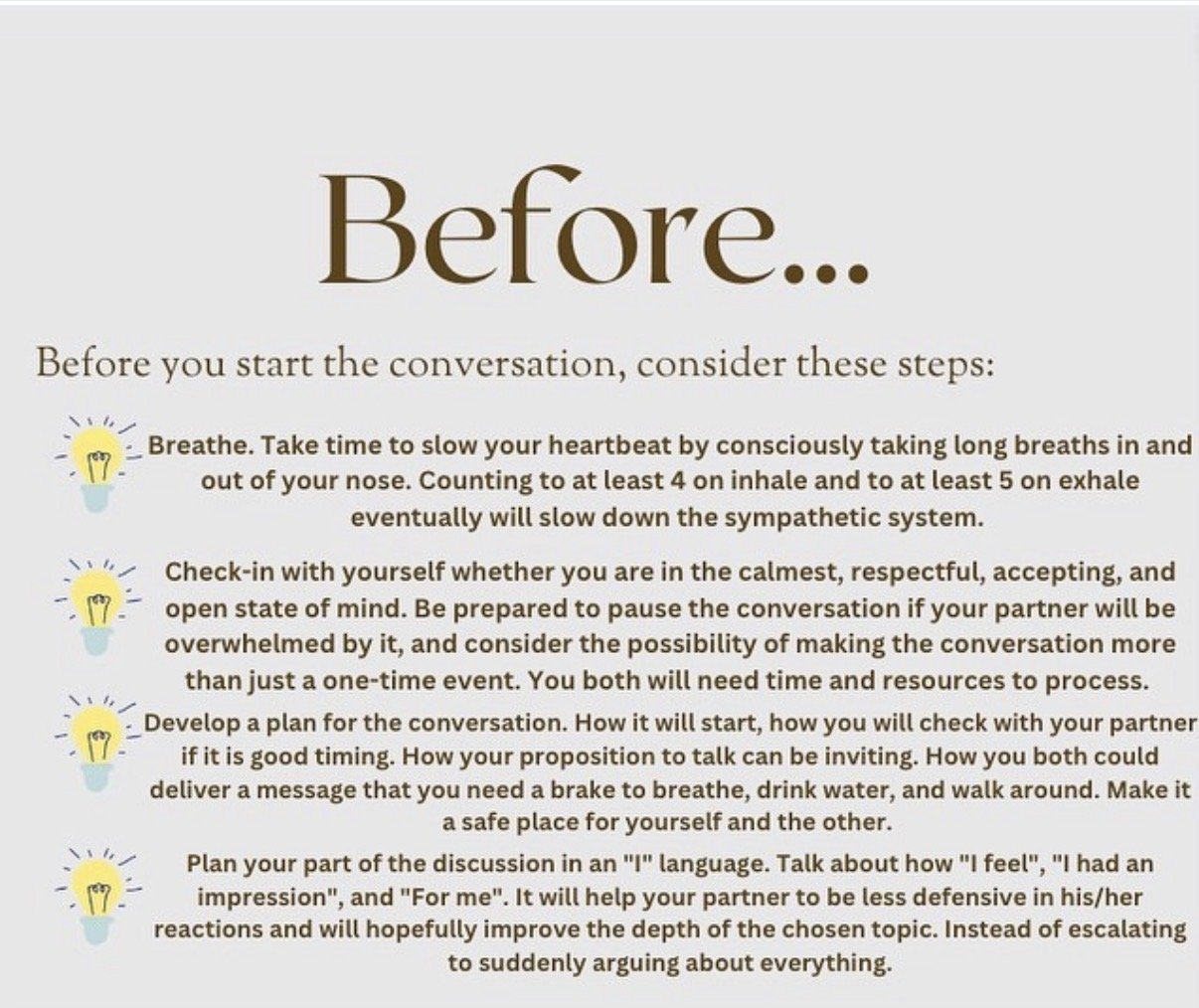
לדבר על השימוש בפורנו עם הפרטנר
זה עשוי להיות מאתגר, מציף ומפספס מטרה. מספר טיפים לפני שצוללים פנימה. טיפ נוסף: ההמלצות האלה רלוונטיות לכל נושא טעון רגשית ולא רק לפורנו
מדוע הפרטנר שלי מרגיש שהשימוש שלי בפורנו זאת בגידה
כי המידע שהוצג על ידי אדם מכור הוא מידע חלקי ואז מתגלה חלק נוסף של סיפור, ואז מתגלה עוד חלק בסיפור. אדם עם התמכרות פועל מכוונות טובות, כביכול - לשמור/להגן על הפרטנר, על הזוגיות, כשבפועל יכולת לסמוך ממשיכה לרדת. כי אדם עם התמכרות מנהל חיים כפולים, ויום אחד זה מתגלה. זה גורם לפרטנר לשאול את עצמו מה לא בסדר איתו שלא שם לב, שמגיע לו את זה, לתהות מה עוד הוא לא יודע, להתבייש במה שקרה ושכך החיים שלו נראו. כי גם אם אדם מכור יגדיר את האנשים בפורנו כ״לא אמיתיים״, ״כאלה שלא יפגוש לעולם״, ״כאלה שלא היה רוצה להיות איתם בחיים האימיתיים״. אלה עדיין דמויות שעוררו אותו מינית, גרמו לו לחשוב עליהן במהלך היום, גרמו לו לבטל פגישה חברתית או זמן אינטימיות עם הפרטנר ולהיות איתם. לבטל או לצמצם זמן עם הילדים, כדי להיות עם הדמויות האלה. ולפעמים, אפילו להוציא על כך כספים. כל ההתנהגויות האלה מוחקות את האשלייה הנמכרת שמדובר במשהו לא אמיתי. ההשלכות אמיתיות, גם עבור האדם, וגם עבור הפרטנר, וגם עבור המשפחה כולה. ועכשיו אנחנו מתמודדים לא רק עם ההתמכרות של האדם, אלא גם עם טראומת הבגידה של הפרטנר, ועם ההשלכות של ההתנהגות והטראומה של הפרטנר על המשפחה. אם נטפל רק בבן אדם מכור, נזניח נפגעים נוספים מהאירוע